October 1, 2026 / 7 min read
AI Test: How to Validate Your AI Agent Before It Costs You…
AI test is the process of verifying that an AI system produces accurate, consistent. and safe outputs before deploying it to real users. For sales and…

AI Test: How to Validate Your AI Agent Before It Costs You Customers
AI test is the process of verifying that an AI system produces accurate, consistent. and safe outputs before deploying it to real users. For sales and support teams, this means checking whether your chatbot answers product questions correctly. escalates appropriately. and avoids hallucinating information that damages trust.
Most teams skip structured testing because the AI "seems to work" in demos. Then a customer asks about return policies and gets a fabricated answer. Or the bot promises a discount that does not exist. Testing catches these failures before they reach your inbox as complaints.
| Test Type | What It Checks | When to Run |
|---|---|---|
| Accuracy test | Responses match your knowledge base | After every content update |
| Edge case test | Handling of unusual or ambiguous queries | Before launch and quarterly |
| Escalation test | Bot knows when to hand off to humans | Weekly spot checks |
| Hallucination test | No invented facts or URLs | Continuous monitoring |
| Tone test | Brand voice consistency across channels | Monthly review |
Why AI Test Matters for Customer-Facing Teams

A single wrong answer from an AI agent can undo months of customer relationship building. In e-commerce, buyers ask about shipping times. promo codes. and product specs. They expect accurate responses. When your bot invents a delivery date or applies a non-existent discount, the customer service team inherits the cleanup.
According to Gartner's 2024 AI in Customer Service report, organizations that implemented structured AI testing protocols reduced customer escalations by 34% compared to those relying on ad-hoc quality checks. Source
Testing matters more when your AI toolkit handles multiple channels. A bot that works well on your website chat might behave differently when processing Telegram messages or email queries. Channel-specific testing catches these gaps before customers do.
For multilingual operations, testing becomes critical. An AI agent might handle English queries perfectly while producing awkward or incorrect responses in Arabic or French. Each language needs its own test suite.
How AI Test Works in Practice
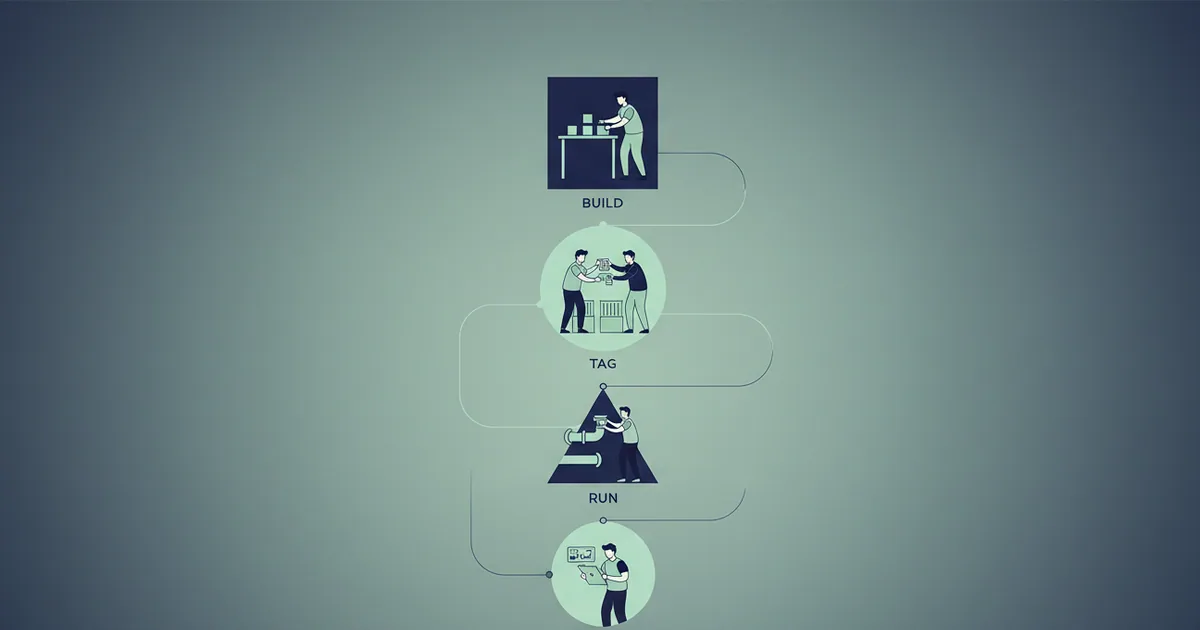
Effective AI testing follows a structured workflow that most teams skip because it feels tedious. The discipline pays off when your bot handles its first ambiguous query correctly instead of guessing.
Step 1: Build a test dataset from real conversations. Pull 50 to 100 actual customer questions from your support history. Include the straightforward ones like "what are your shipping rates" and the messy ones like "i ordered last week but tracking says nothing." Tag each question with the correct answer or expected action.
Step 2: Define success criteria before testing. Decide what "correct" means for each question type. For factual queries, the answer must match your knowledge base exactly. For complex questions, the bot should escalate rather than guess. Write these criteria down.
Step 3: Run baseline tests against your knowledge base. Feed your test dataset through the AI agent and record every response. Compare outputs against your expected answers. Calculate accuracy rates by question category. Most teams find their bots perform well on common questions but fail on edge cases.
Step 4: Test for hallucinations specifically. Ask questions about products you do not sell or policies you do not have. A well-configured bot should say "I don't have information about that" or escalate. A poorly configured one will invent plausible-sounding but false answers. This test reveals whether your RAG implementation actually constrains the model to your verified content.
Step 5: Run adversarial tests. Try to break the bot intentionally. Ask ambiguous questions. Use misspellings. Switch languages mid-conversation. Request information the bot should not provide.
Teams using agentic AI systems need additional testing for multi-step workflows. If your bot can check order status, initiate returns. and apply discounts. test each capability in isolation and in combination.
Tradeoffs to Understand First
AI testing consumes resources. Every hour spent building test cases is an hour not spent on other work.
Thoroughness versus speed. Comprehensive testing delays deployment. Quick launches risk customer-facing failures. Start with the 80/20 approach. Test the 20% of question types that represent 80% of volume first.
Automated versus manual testing. Automated test suites scale well and catch regressions. Manual testing catches nuance and tone issues that automated checks miss. You need both.
Testing frequency versus operational burden. Running tests after every knowledge base update is ideal but demanding. A middle ground works for most teams. Test automatically after significant content changes. Run comprehensive manual reviews monthly.
Strictness versus flexibility. Tight testing criteria catch more errors but may flag acceptable responses as failures. Calibrate your thresholds based on the cost of errors in your specific context. A medical information bot needs stricter testing than a retail FAQ bot.
When comparing AI agents versus traditional agentic approaches, testing requirements differ significantly. Simple rule-based bots need less testing but handle fewer scenarios. Complex agentic systems need extensive testing but deliver more value when properly configured.
Where AI Test Usually Goes Wrong
The most common testing failure is not testing at all. Teams deploy AI agents based on demo performance and hope for the best.
Testing only happy paths. Teams test "what are your store hours" but not "whats ur hours open on saterday." Real customers misspell, use slang. and ask incomplete questions. Test cases must reflect actual customer behavior.
Ignoring context carryover. A bot might answer individual questions correctly but fail when context from earlier in a conversation matters. Test multi-turn conversations where the second question depends on understanding the first.
Testing in English only. If your bot serves multilingual customers, test in every supported language. Translation quality varies. Cultural context affects appropriate responses.
Skipping post-deployment monitoring. Testing before launch is necessary but insufficient. Customer queries evolve. New products create new question types. Continuous monitoring catches drift between tested performance and real-world performance.
Not testing escalation paths. Verify that your bot actually hands off to humans when it should. Some bots claim to escalate but the message never reaches a human queue. Test the complete workflow from customer query to human notification.
Teams using best AI chatbot platforms should still run independent tests. Platform-provided quality metrics measure different things than customer satisfaction.
Frequently Asked Questions
How often should I test my AI customer support agent?
Run automated accuracy tests after every significant knowledge base update. Conduct manual quality reviews monthly. Perform comprehensive edge case and adversarial testing quarterly. If you notice unusual customer complaints or escalation patterns, run immediate diagnostic tests.
What tools work best for AI testing in e-commerce?
Start with spreadsheet-based test case management before investing in specialized tools. Document your test questions, expected answers. and actual results. As volume grows, consider purpose-built testing platforms like Botium. Kore.ai, or custom scripts using your AI provider's API. Systematic manual testing with good documentation often outperforms sophisticated but poorly maintained automated suites.
How do I test for AI hallucinations specifically?
Create a set of questions about things your business does not offer. Ask about products you do not sell, policies you do not have. and services you do not provide. A well-configured bot using RAG architecture should acknowledge when it lacks information. Track any responses that contain invented facts, fabricated URLs. or made-up statistics.
Can I test AI agents that handle multiple channels like chat and Telegram?
Yes, and you should test each channel separately. The same AI model might produce different outputs depending on the interface, message formatting. and character limits. Build channel-specific test suites that account for platform differences. If you use a unified inbox approach through tools like AI online chat systems, test both the individual channel performance and the cross-channel consistency.
What is an acceptable accuracy rate for AI customer support?
For factual queries with clear correct answers, aim for 95% or higher. For nuanced questions requiring judgment, focus on appropriate escalation rates rather than answer accuracy. Most mature AI support implementations achieve 85% to 92% first-contact resolution on common question types. The key metric is not raw accuracy but whether errors reach customers or get caught by escalation rules and human review.